

BOREALIS Current Projects
Within the BOREALIS Ballooning Program, students are the ones who make these projects possible under mentorship of the BOREALIS Flight Director. Students are designing, developing, and building projects to bring them to life. See the current projects that are being pursued, as well as our archive of some of the past projects.
Long Range (LoRa) Radio
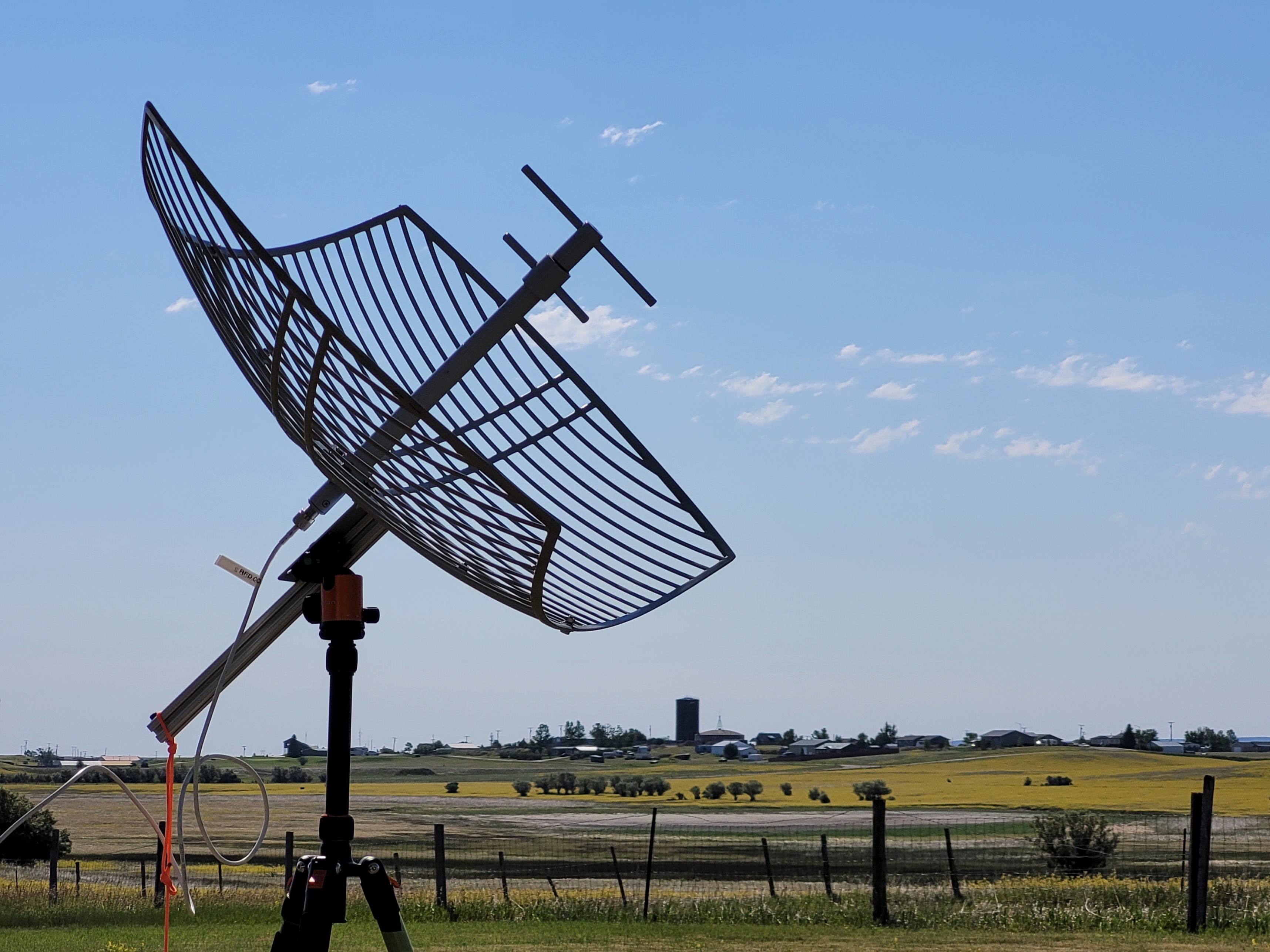
Utilizing a radio system called LoRa. This system aims to connect the balloon payloads with ground station, allowing us to see data in real time. These communications remain connected and accurate while transmitting data over 80 miles over radio waves!
Ground Station
The ground station receives data and sends commands to our balloon through a large satellite dish. The satellite dish maintains a clear connection by pointing accurately towards the balloon mid flight. This is possible by taking the position data received and having an electronic mount make adjustments. This system is all encapsulating, as in the past there were many devices and separate resources used to complete these tasks.
Middle Man
The Middle Man is a payload that can communicate with ground station and other payloads on the balloon. It will connect general data, such as position, that is sent to ground station. Middle Man also listens to ground station for commands. These commands are then communicated to other payloads using esp-now. This currently only communicates with vent board, but the functionality could connect to any new compatible system.
An example of this process would be Middle Man receiving the "open vent" command from ground station via LoRa. Then the "open vent" command is sent to the vent board via esp-now. The Middle Man listens for the state of the action, and will listen for the vent board to say that the vent was successfully opened. During this whole process Middle Man has still been sending data packet to maintain connection, and now can include the state the indicates that the vent was successfully opened.
Contributor(s): Tevon Smith, Leroy Thompson, Gino Cicerone
Vent Board
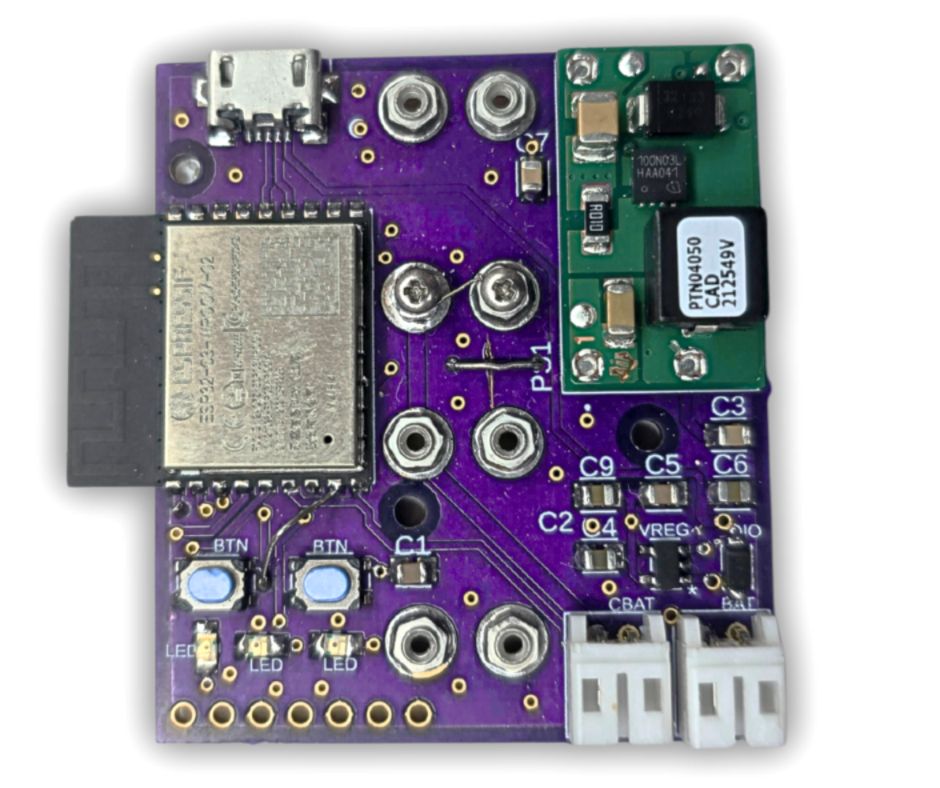
Find out more about the vent system in the archived section below.
The vent board is what makes the vent function. This board is able to communicate with the Middle Man system to receive commands and send statuses. Two of these commands are "open vent" and "close vent" which turns a servo to open and close a plunger. This plunger has a magnet on it as well. If there is or isn't a magnetic signal at the point where the plunger is sealed, then we can tell if it's sealed. This information is sent back to Middle Man as the status of vent. The vent board is also able to receive a "cut down" command. Our balloons are clamped on to the vent, and this clamp is held closed with thread that goes through the vent board. When it's time to cut down, that thread is cut, releasing the clasp, releasing the balloon from the rest of the payload.
Contributor(s): Gino Cicerone
Drones
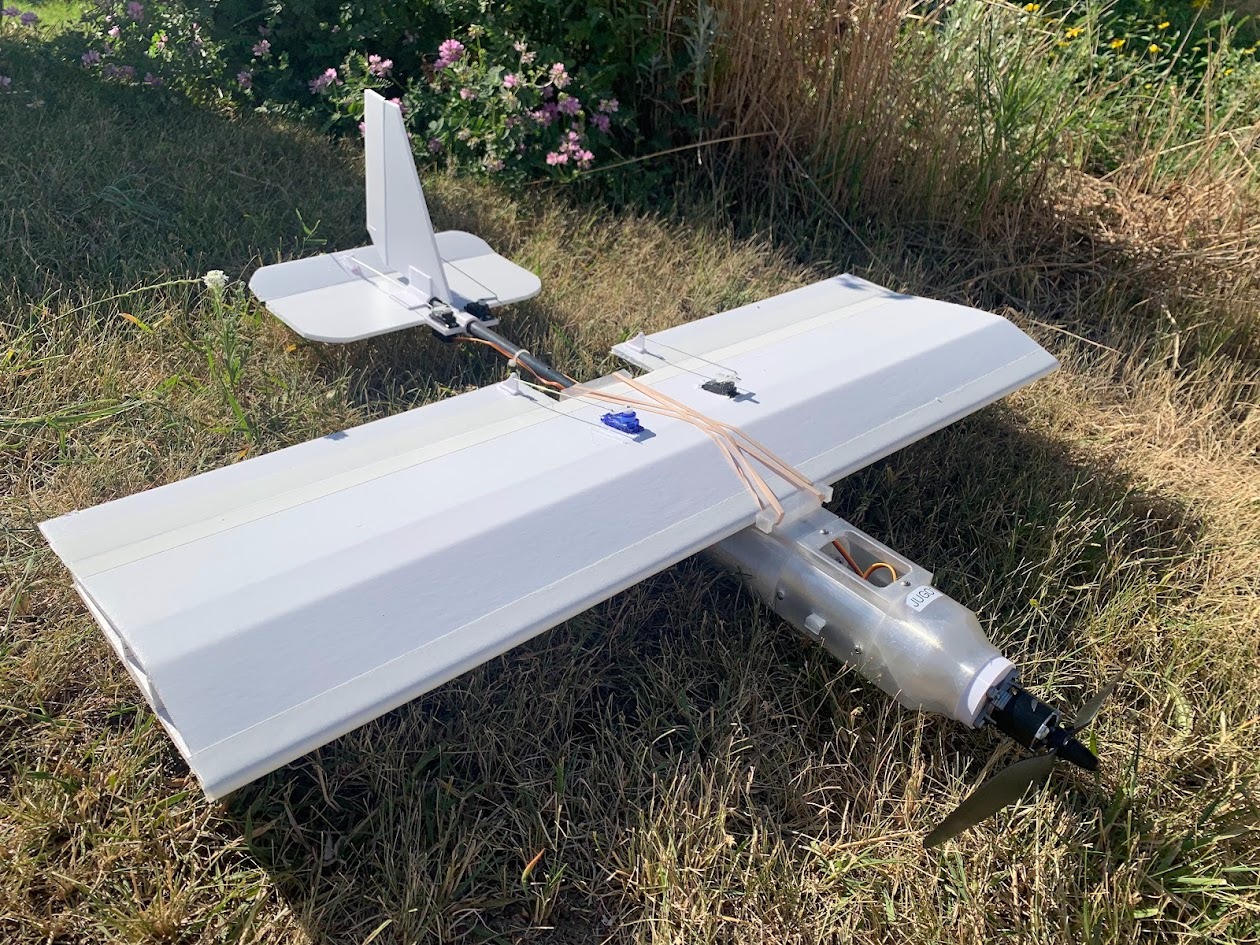
In an effort to make a drone completely in house. There are many pieces that need to be developed from scratch.
Drone Body
When most people hear drone, they think of a quadcopter, but in reality there are many types of drones. The BOREALIS lab has been developing a fixed wing rotor, which resembles a plane. This sleek design must be aerodynamic and durable. Students are working to create a modularly printed body.
Speed Controller
This device is responsible for the speed, directions, and power of a drone's motor. This is a crucial intermediary between the power source, such as a battery, and the motor, converting electrical signals from the flight controller or on board computer into precise motor movements.
Flight Controller
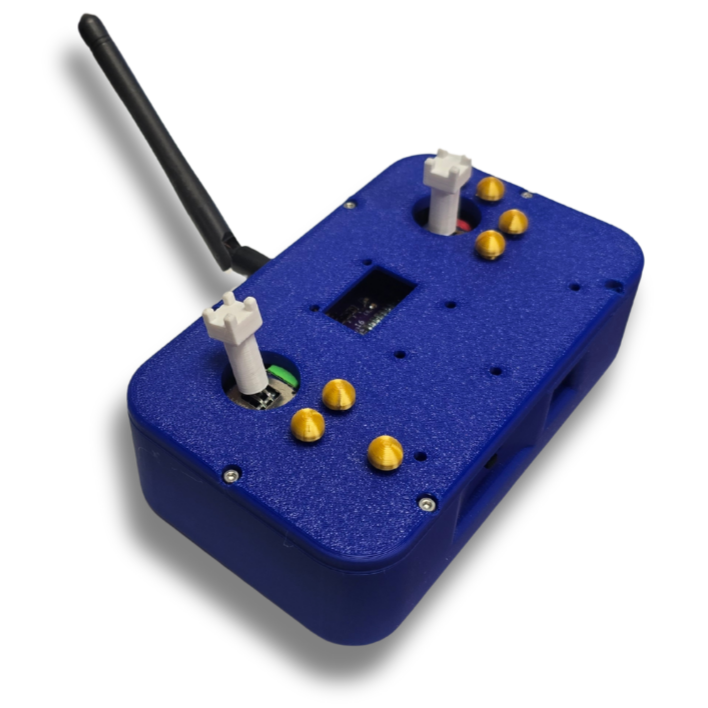
This custom controller utilized LoRa to connect to the drone. It can send directional inputs as well as button inputs. The controller is housed in a 3d printed shell.
Contributor(s): Tariq Serageldin, Gabe Sova, and Mikael Savage
International Space Station Mission- MaxIQ
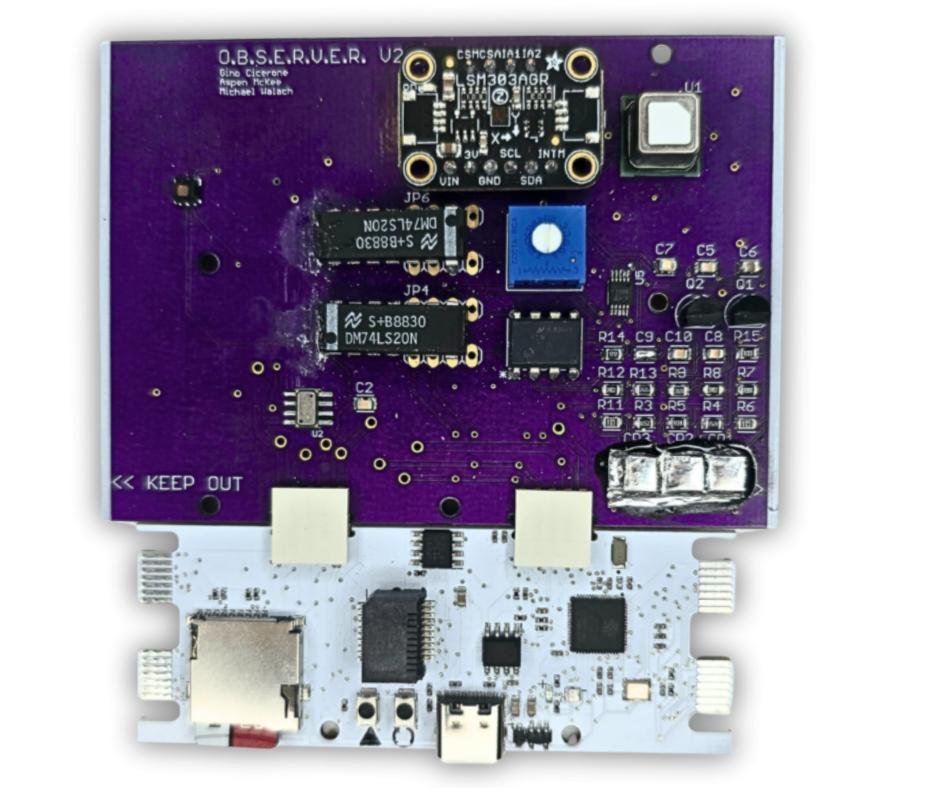
A project where teams can make payloads that will be flown on the ISS. The BOREALIS team's objective was to make a data logger to collect atmospheric and gravitational data for student research.
The payload is intended to be launched in spring of 2026.
Contributor(s): Aspen McKee, and Gino Cicerone
Archived Projects
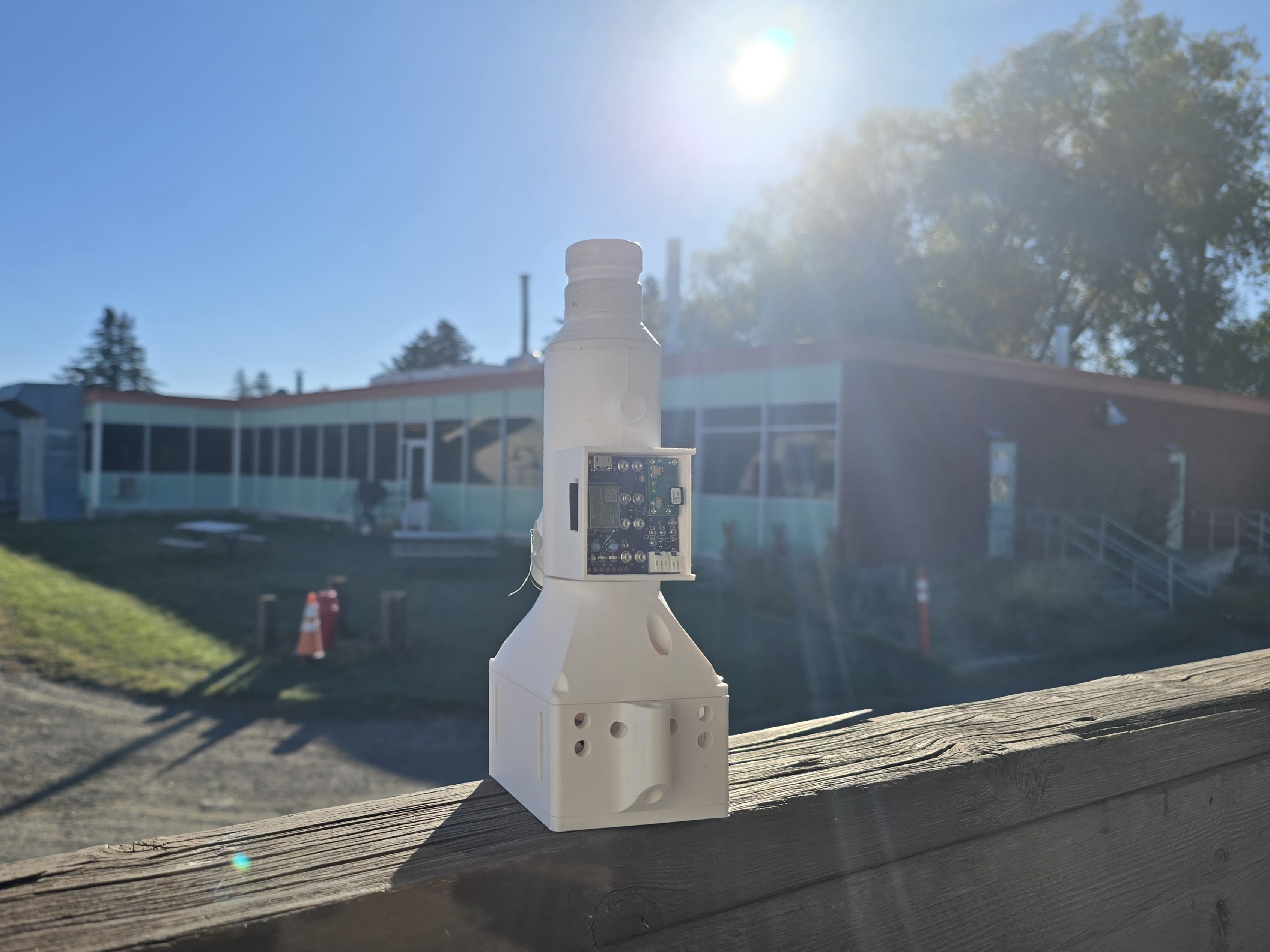
In 2017 NASA claimed that venting a pressurized balloon with helium was not possible, and that is when work began to prove them wrong.
A pressurized balloon will pop when it gets high enough. To allow the balloon to spend more time at high altitude, the pressure needs to be released. This slows how quickly it rises, and releases some pressure. The vent system is used to achieve this by opening and releasing helium.
Contributor(s): Gino Cicerone, Isaac O'Rourke, Abigail Ross, Tim Uhlenbruck, Mike Walach, and many more
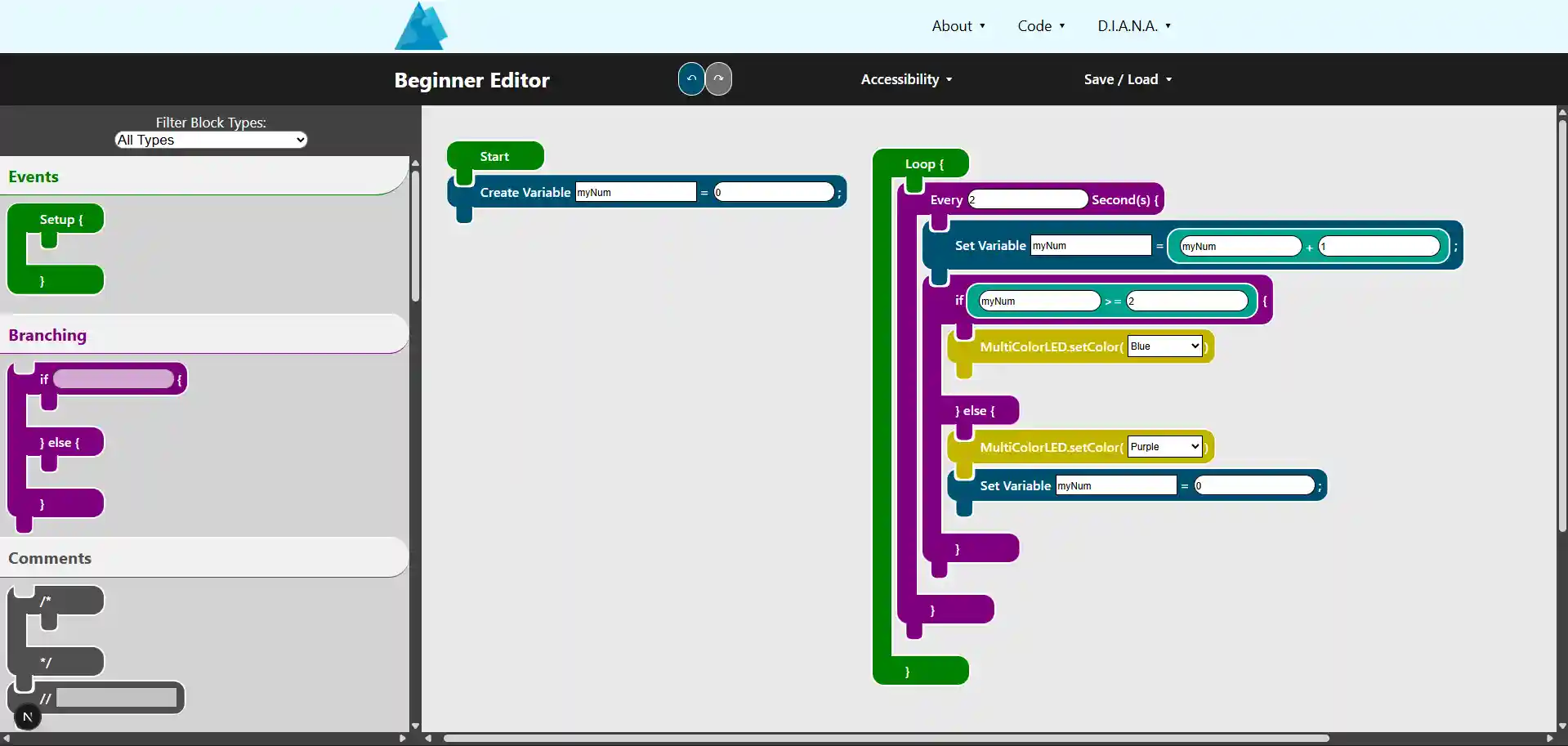
A custom website designed for student outreach. The site contains a block coder that is custom made for the D.I.A.N.A. data logger board.
Contributor(s): Jesse Hruska
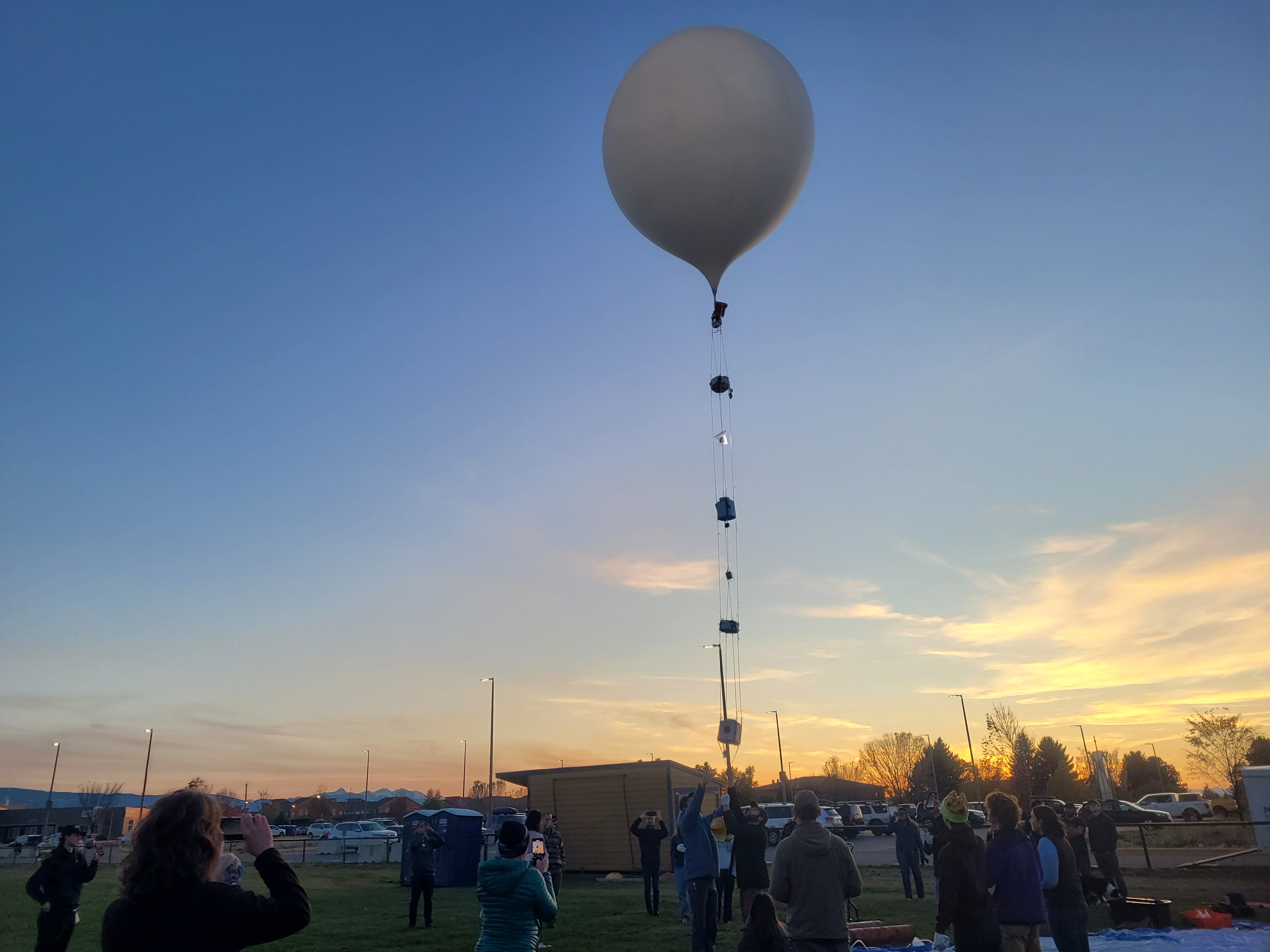
A bright blinking light that can be seen from miles away. This system enabled the BOREALIS lab to launch a night flight as the beacon is required for night aviation.
Contributor(s): Gino Cicerone
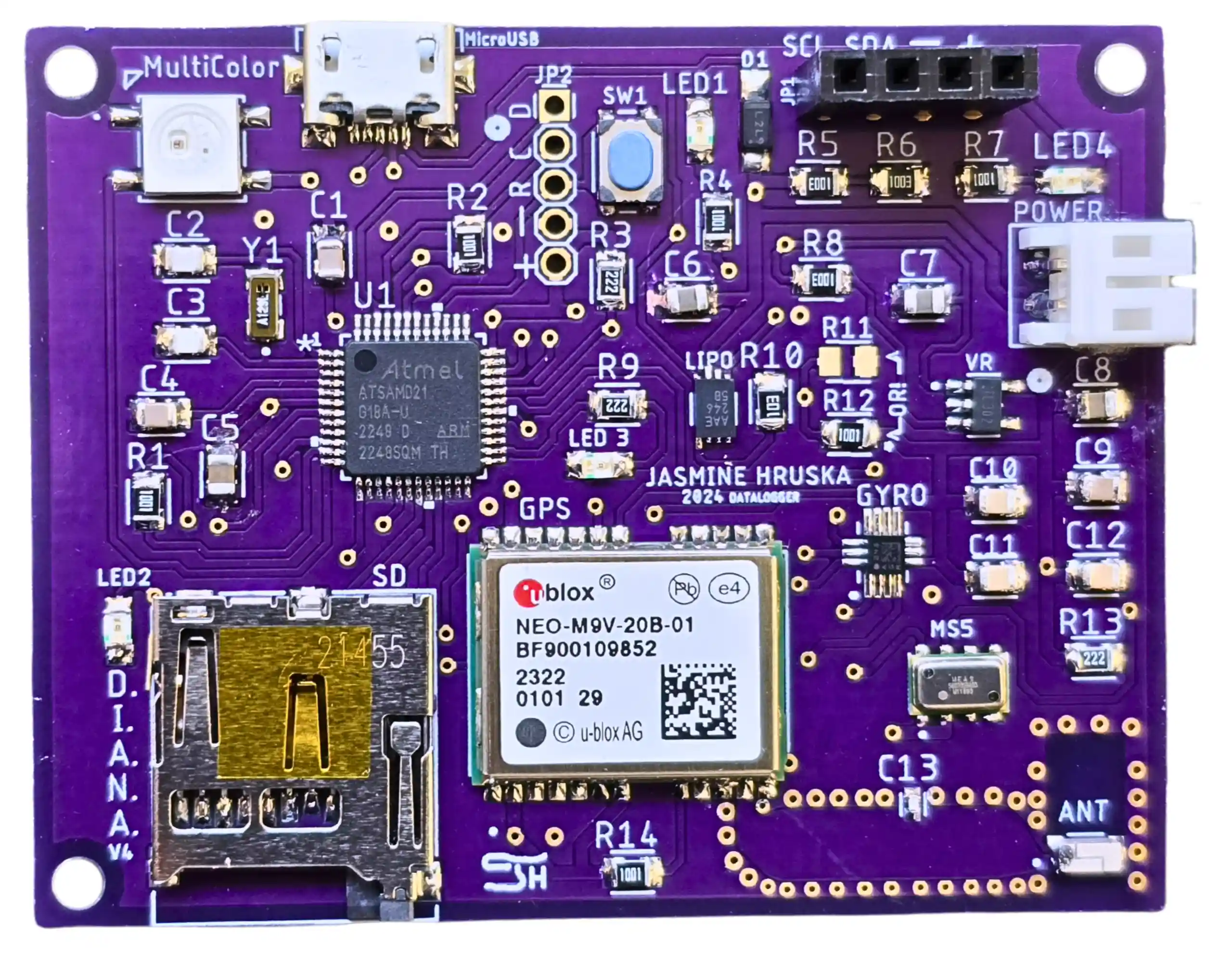
A data logger system that gathers data from a GPS, pressure sensor, gyroscope and accelerometer. This data is then written to an SD card.
This project was later utilized for a BOREALIS lab outreach program KOABC.
Contributor(s): Jasmine Hruska
A system with two fish eye cameras, a raspberry pi, and a radio. This system enable footage to be live streamed from the balloon payload in real time and was utilized for the 2024 total solar eclipse.
Contributor(s): Noah Netz